The Limits of BMI: When the Number Misleads
It cannot see what weight is made of
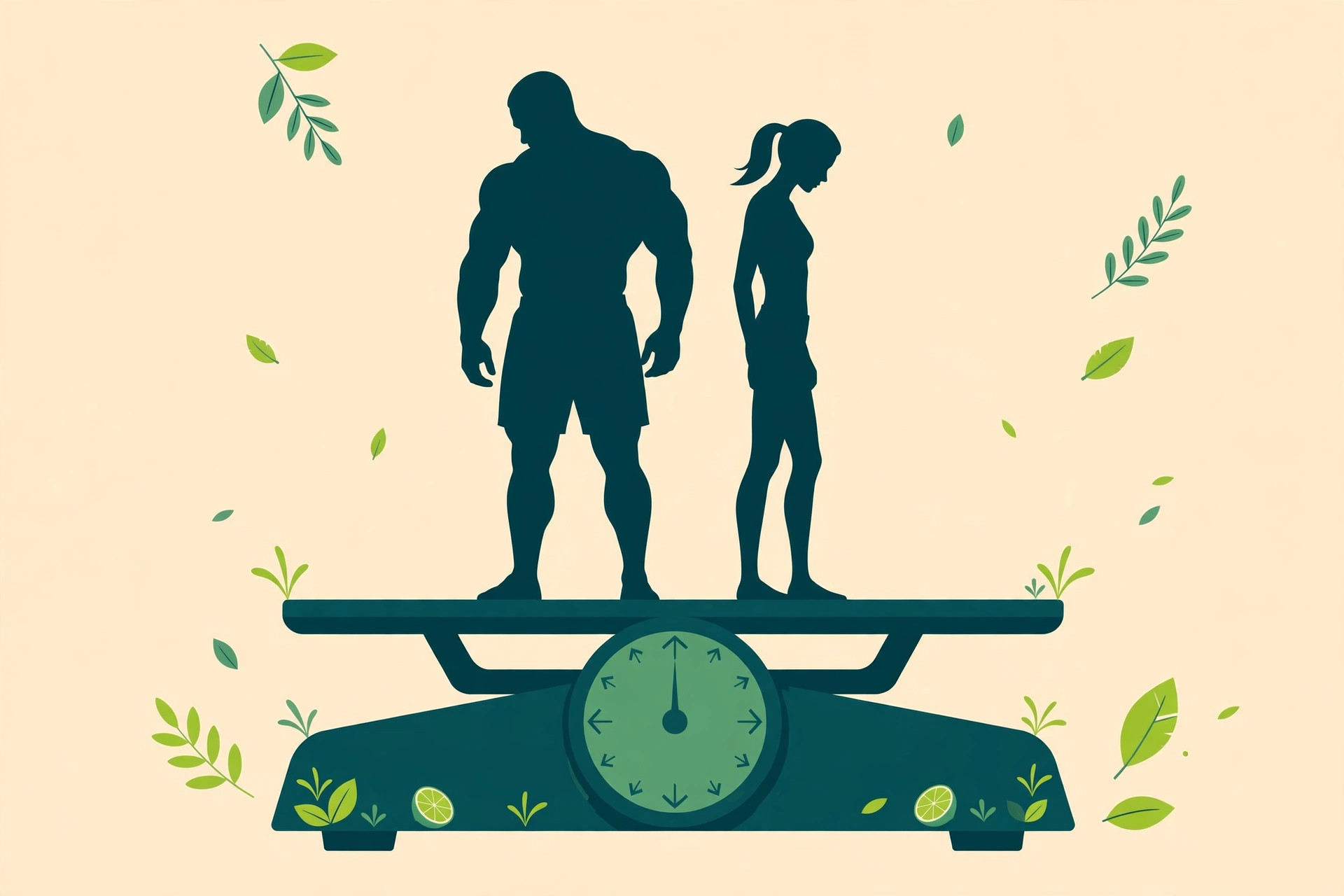
BMI treats every kilogram alike, but a kilogram of muscle and a kilogram of fat have very different effects on health. That is why rugby players and bodybuilders routinely score as overweight or obese while carrying little fat, and why a sedentary person with little muscle can score as healthy while carrying a risky amount. The formula also ignores bone density and water. Two people with identical height, weight and BMI can have body fat percentages fifteen points apart, which is why BMI should always be paired with at least one measure of composition or fat distribution before any conclusion is drawn.
It cannot see where fat is stored
Where fat sits changes its danger. Fat packed around the organs inside the abdomen, called visceral fat, is strongly linked to diabetes and heart disease, while fat under the skin of the hips and thighs is comparatively benign. BMI is blind to all of this. A person with a healthy BMI and a large waist can carry more risk than a person with a higher BMI and a slim waist, a pattern researchers call normal weight central obesity. Waist based measures, such as waist to height ratio, catch what BMI misses, which is why modern guidance increasingly uses the two together rather than either one alone.
Age, sex and ancestry shift the picture
The standard bands were built largely from data on younger European adults, and bodies differ from that template. Older adults lose muscle and height, so the same BMI means more fat at seventy than at thirty. Women naturally carry more fat than men at the same BMI. Several Asian populations develop diabetes at lower BMIs, which is why some guidelines use lower action points for them. None of this makes BMI useless; it makes it a rough map whose legend changes with the reader. Know which group you belong to, and let a clinician interpret borderline results in that light. The practical takeaway is pairing: BMI plus a waist measurement plus one composition check catches nearly every case where the single index would have sent you in the wrong direction, and the three together take less than two minutes.