How Much Sleep Do You Need? Age, Quality and Debt
The numbers by age
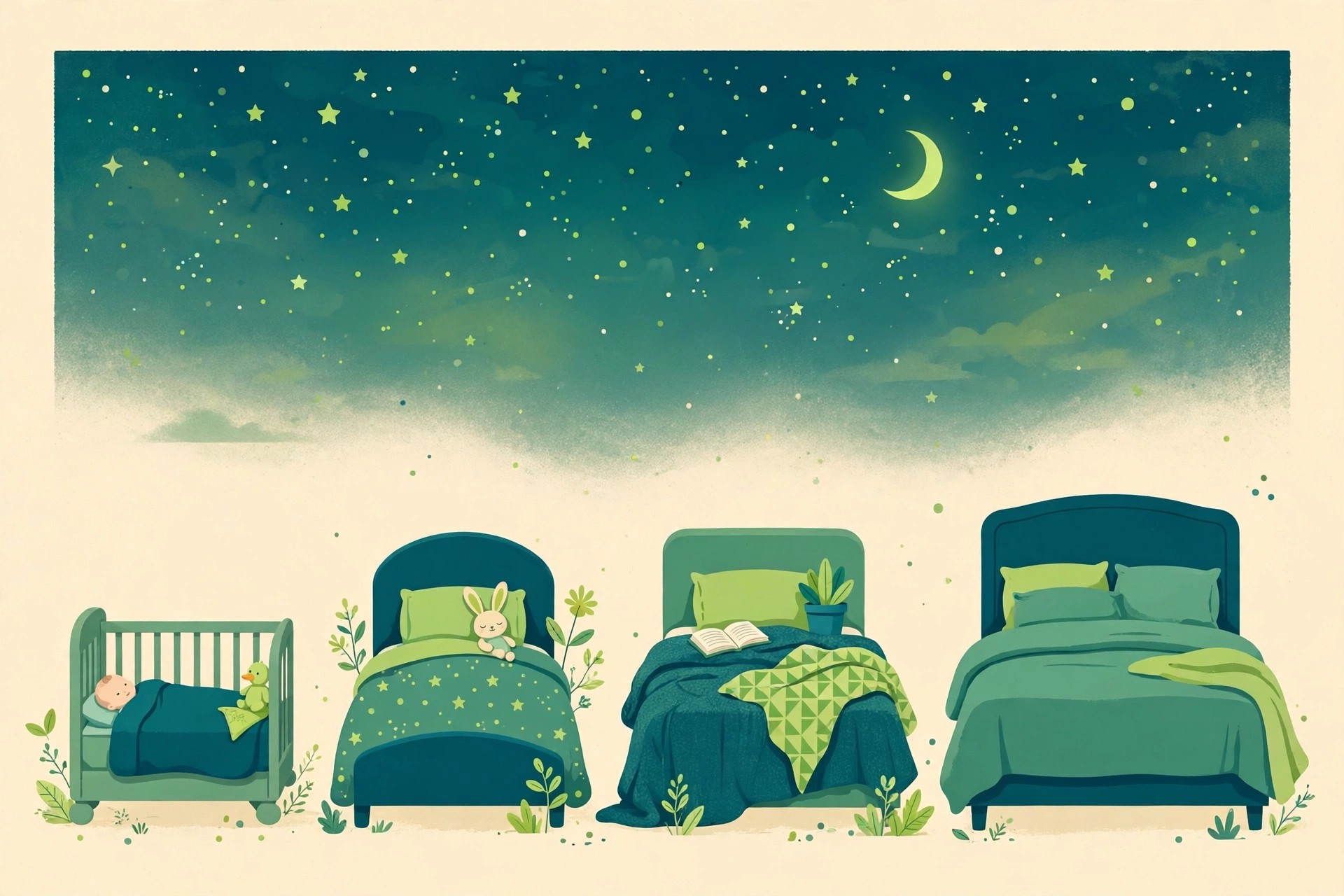
Sleep need is highest at the start of life and settles in adulthood. The US National Sleep Foundation's expert ranges: newborns 14 to 17 hours, infants 12 to 15, toddlers 11 to 14, school children 9 to 11, teenagers 8 to 10, adults 7 to 9, and older adults 7 to 8. Teenagers are not lazy; their body clocks shift later by biology, which is why early school starts fight them. Within the adult band, genuine individual variation exists, driven partly by genetics, but true short sleepers who thrive on six hours are rare, far rarer than the number of busy people who believe they are one.
What short sleep quietly costs
Chronic sleep below six to seven hours shows up everywhere researchers look: worse attention and memory consolidation, higher accident risk, blunted immune response, increased hunger hormones and weight gain, higher rates of type 2 diabetes, hypertension and depression. The effects are sneaky because subjective sleepiness adapts while performance keeps falling; in classic studies, people sleeping six hours a night for two weeks reached the impairment of one to two nights with no sleep, while rating themselves only slightly tired. Weekend lie ins repay only part of the debt and can scramble the body clock further. Consistency beats bingeing, for sleep as for most things.
Judging your own need
The honest test is functional. You are probably sleeping enough if you wake near your alarm without a battle, stay alert through the afternoon without heroic caffeine, and do not crash into long weekend catch ups. Needing an alarm plus three snoozes plus a litre of coffee is data too. Experiment in fifteen minute steps for two weeks at a time, keeping wake time fixed and moving bedtime. If problems persist despite good habits and adequate time in bed, that is a medical conversation: insomnia, sleep apnoea, thyroid issues and depression all disrupt sleep and all have treatments. Duration is the beginning of the story, never the whole of it. If you experiment with duration, change one thing at a time and give it a fortnight; sleep responds to consistency slowly, and judging a new schedule after two nights misleads almost everyone.